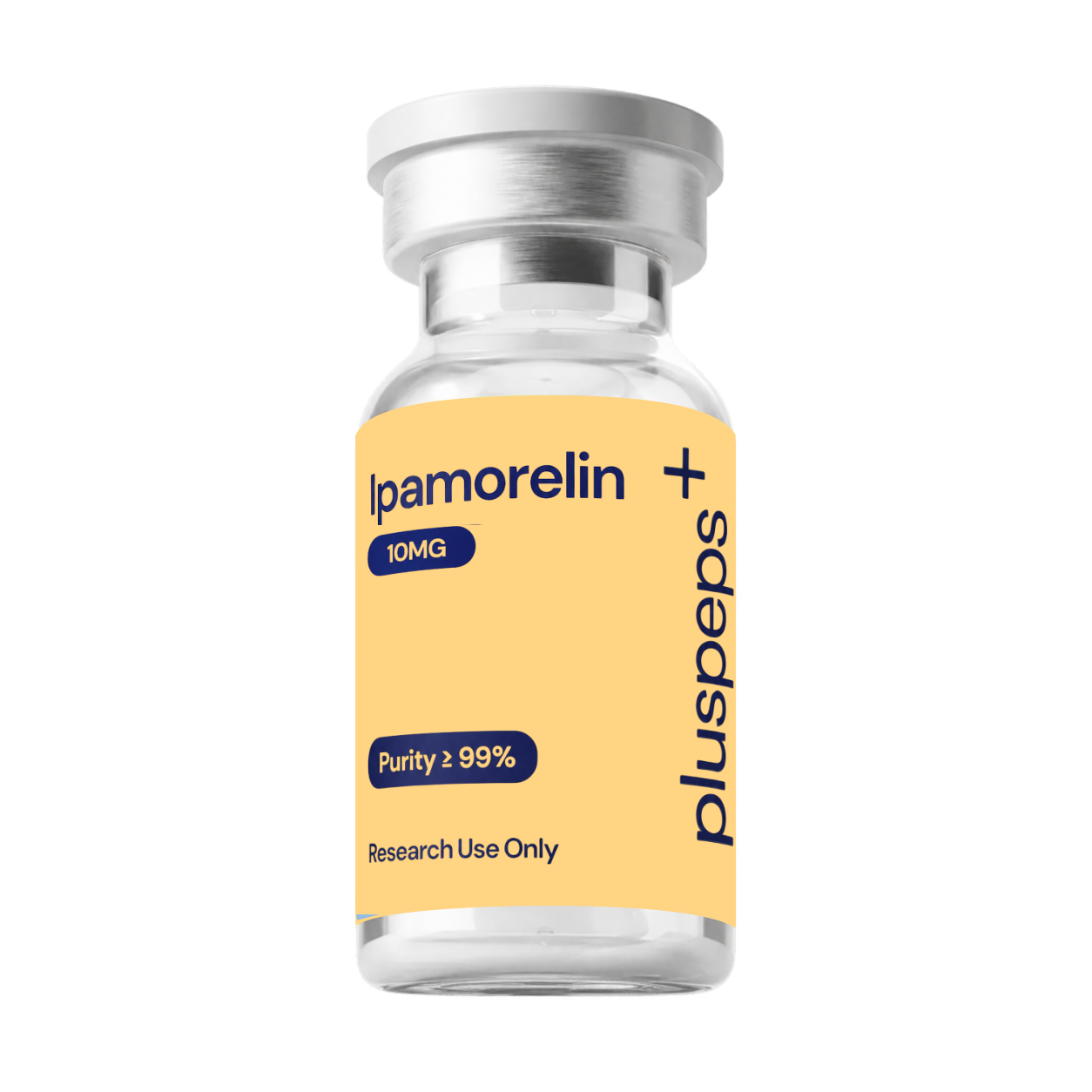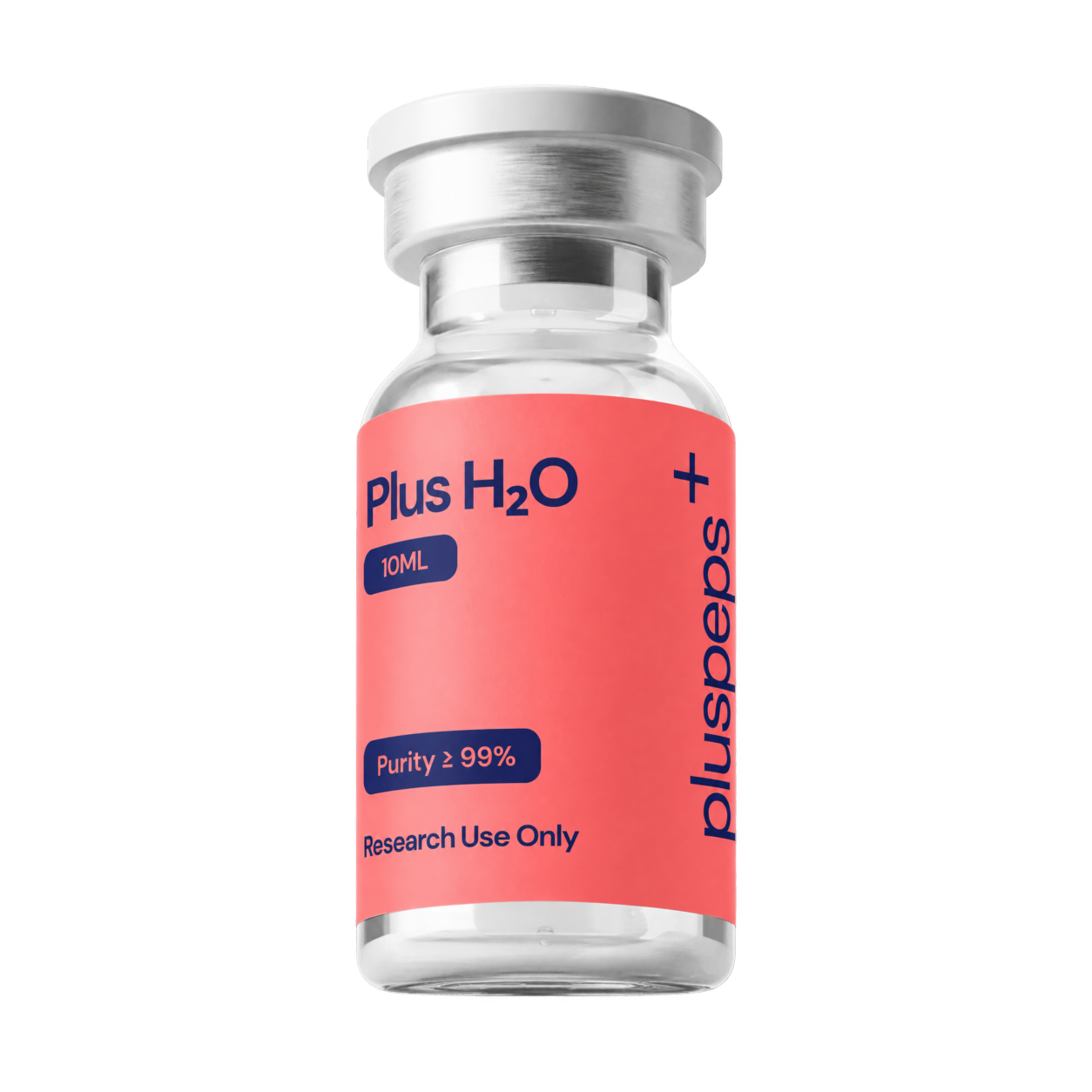
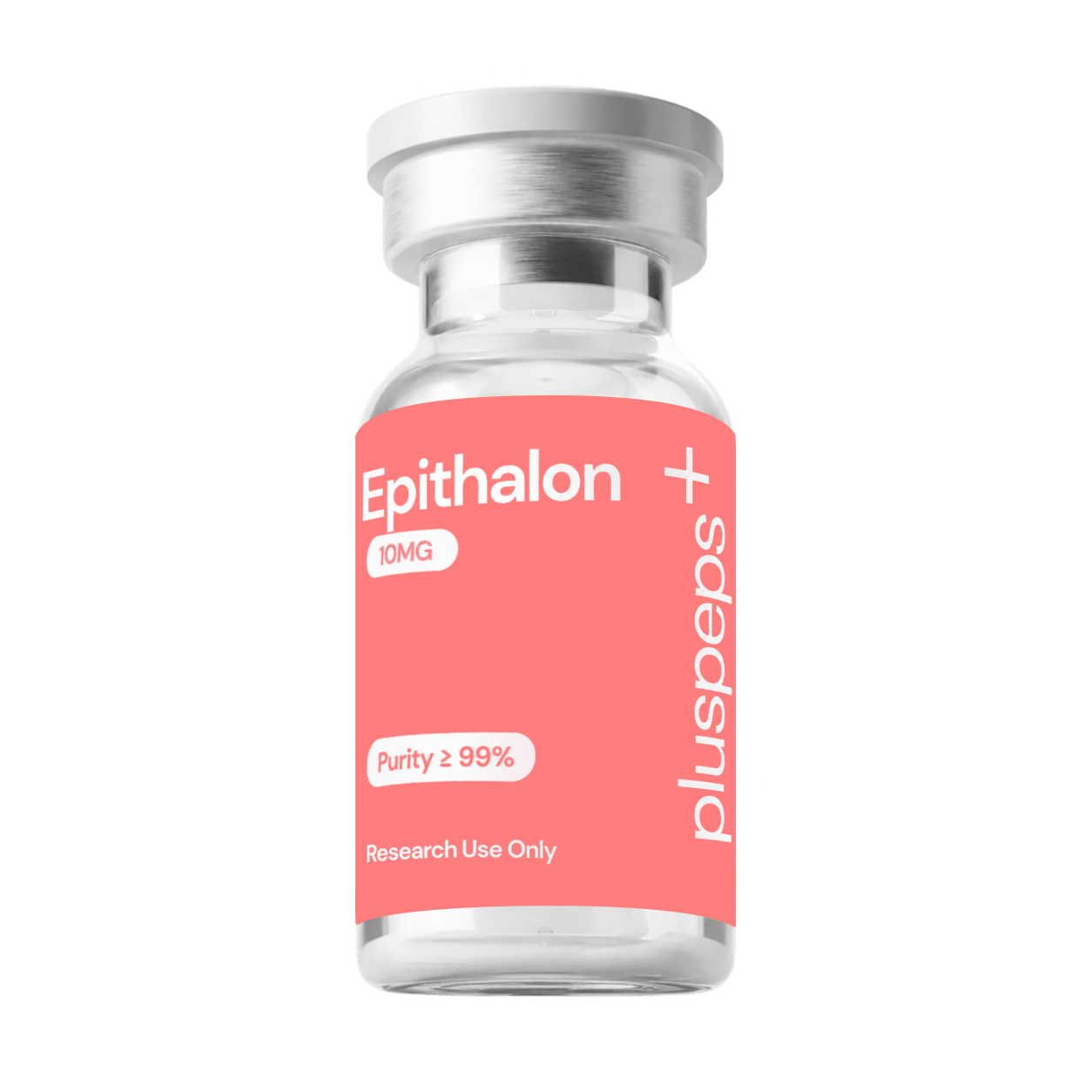
Peptides arrive as a freeze-dried powder, called lyophilised powder, because that is the most stable form they can take. Handled well, a sealed vial keeps for a long time. Handled badly, even a perfect batch loses quality. The rules are simple and they are the same ones every lab follows.
The four things that damage peptides
Heat. Chemical reactions speed up as temperature rises. Cold slows them down. That is the entire logic behind refrigeration and freezing.
Light. Some amino acids are light-sensitive. Keep vials in their box or a dark drawer rather than on a sunny bench.
Moisture. Lyophilised powder is hygroscopic, which means it pulls water from the air. Water lets reactions happen. Keep the rubber stopper and seal intact until the moment of use, and let a cold vial reach room temperature before opening it so condensation does not form inside.
Repeated freezing and thawing. Each cycle stresses the peptide. Freeze once, thaw once where you can.
Sealed vials (powder)
Standard lab practice is a freezer at around -20 °C for storage over months, and a fridge at 2 to 8 °C for the short term. Keep vials upright, in the dark, and dry. Write the date received on the box. Do not store them in a fridge door, where the temperature swings every time it opens.
Short exposure to room temperature during shipping does not ruin lyophilised peptide. Days in transit are normal and accounted for. What you want to avoid is weeks on a warm shelf.
After reconstitution (solution)
Once water is added, the clock runs faster. Keep the solution refrigerated at 2 to 8 °C, protected from light, and use it within the window your protocol specifies. Label the vial with the date and the concentration the moment you make it, because a week later you will not remember. Do not freeze and re-thaw solution repeatedly. If you need to keep a solution for longer, split it into single-use portions first and freeze those.
Using bacteriostatic water rather than plain sterile water gives a reconstituted vial a longer usable life in the fridge, because the benzyl alcohol in it holds back bacterial growth between draws. Our bacteriostatic water guide explains the difference.
A simple storage routine
- Unpack on arrival. Check the batch number against the COA and that seals are intact.
- Powder you will not touch for a while: freezer, in the box, dated.
- Powder you will use soon: fridge, in the box.
- Before opening a cold vial: let it sit sealed at room temperature for 15 to 20 minutes.
- Solution: fridge, dark, labelled, used within your protocol’s window.
Signs something went wrong
Powder that has clumped into a hard pellet after moisture exposure, solution that turns cloudy or shows particles, or colour where there was none. None of these are guaranteed to mean degradation, but all of them are reasons to stop and check rather than carry on.
All products on this site are sold for laboratory research only. Nothing here is medical advice.